
Sex Offender Checks in Iron County
The official Utah Sex, Kidnap, and Child Abuse Offender Notification and Registration website is managed by the Utah Department of Corrections. The portal first requires assent to a use disclaimer. Its data comes from registrants, and the state does not promise that every item is complete or current. A careful Iron County registry search uses several identifiers instead of treating one name or map pin as conclusive.
Search the Utah system first for the local profile. Use Dru Sjodin National Sex Offender Public Website when the question crosses state lines. For an address issue, missed registration, or suspected noncompliance, contact the police agency or sheriff with jurisdiction. Call 911 only for immediate danger.
Verify before acting: A map point can depend on submitted address data, so compare the profile and contact the registration agency about an apparent error.
Iron County Registry Search Routes
Iron County residents do not need the same office in every case. A person under state supervision reports in person through Adult Probation and Parole. Otherwise, Utah law directs registration to the police or sheriff with jurisdiction over the residence. That can mean the Iron County Sheriff's Office, Cedar City Police, Enoch Police, or Parowan Police. Call first for the current office, appointment procedure, and verification schedule. No stable local hours or fee page was published.
These offices manage compliance. They are not substitutes for the public portal's countywide search. The portal is the public viewing layer, while local law enforcement and AP&P receive and verify registration details. A report about a possibly outdated entry should identify the profile, the disputed fact, and why it appears inaccurate.
Note: Use the jurisdiction of the residence, not merely the nearest public-safety building, when choosing a local registration contact.
How to Search the Utah Sex and Kidnap Offender Registry
Open the official Utah registry entry, read its terms, and accept the disclaimer. A surname search is useful for a known person. Geographic controls work better for neighborhood awareness. Utah law requires surname and postal-code indexing, and the current vendor interface also supports name and place controls. Exact radius choices can change, so read the live menu rather than assume a fixed distance.
- Accept the portal disclaimer after reading its accuracy and lawful-use limits.
- Enter a last name, or choose an address, city, ZIP code, and available radius.
- Review map or list results and compare names, photos, and physical details carefully.
- Open the full profile, then read the offense, residence, category, and status fields together.
| Field or control | Type | Required | Use |
|---|---|---|---|
| Disclaimer assent | Checkbox/button | Yes | Required before entry |
| Last name | Text | Conditional | Statutory surname index |
| First name | Text | No | Narrows a name search |
| Address | Text | Conditional | Starts a geographic search |
| City and ZIP | Text/dropdown | Conditional | Use an Iron County place or postal code |
| Radius | Dropdown | No | Read current choices in the live portal |
| Map/list view | View control | No | Changes result presentation |
| Email alerts | Signup | No | Confirm live availability and trigger area |
Geographic results can change as registration data is updated. Save the profile details that identify the entry, then return to the official record or contact the jurisdictional office if a location seems wrong. A map marker alone is not enough to identify a person or establish a violation.
Iron County Registration Offices
Region 5 Adult Probation and Parole serves Iron, Beaver, and Garfield counties from 181 East DL Sargent Drive, Suite B-101, Cedar City, Utah 84721. Its number is 435-586-5350. It handles in-person registration for people under its supervision. Someone not supervised by AP&P registers with the police or sheriff responsible for the home address under Utah law.
The official Utah registry statute page preserves the earlier Title 77, Chapter 41 framework reflected in many court and agency materials.
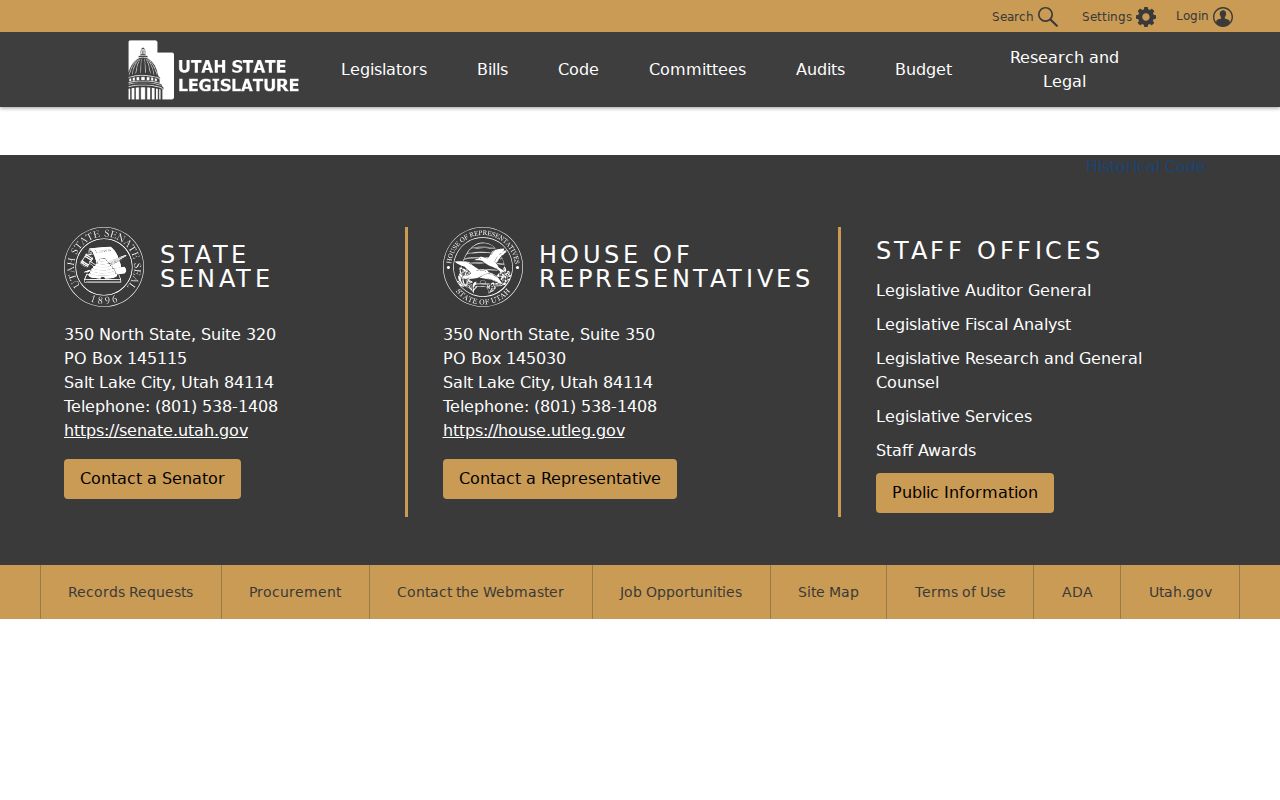
Utah's current code places the recodified system in Title 53, Chapter 29. Readers should follow current agency directions and current code rather than rely on an older chapter label alone.
UDC AP&P Region 5
181 E DL Sargent Drive, Suite B-101
Cedar City, UT 84721
435-586-5350
Iron County Sheriff
Confirm the correct registry office and appointment method through the official sheriff contact channel before travel.
Inside a Registry Profile
Utah law authorizes a broad public profile, but it does not publish every fact held by the state. Use the displayed photo and physical description to distinguish people with similar names. Read each residence type and the registration status. Vehicle data and listed institutional roles can add context. The state must redact details that could reasonably identify a victim.
| Names and aliases | Published names other than protected online identifiers. |
|---|---|
| Photo and description | Current photo, date of birth, height, weight, eye color, and hair color as authorized. |
| Registered addresses | Primary, secondary, and temporary residences reported under the law. |
| Vehicles | Make, model, color, year, and plate information. |
| Institutions and roles | Listed Utah educational, professional-license, and volunteer information where authorized. |
| Registrable crimes | The offenses that create the registration duty. |
| Status and category | Vendor labels may show compliance or registration category; verify the live field. |
A public profile is not a full criminal case file. It is a notification record tied to a statutory registration duty. Court records provide the filed case and judgment, while the registry describes the current public registration information.
Iron County Registry Profile Limits
Victim identity is a firm limit. Utah Code §53-29-404 directs the department to redact material that would reasonably identify a victim. Certain categories involving a person who was under 18 at the time of the offense may be maintained by UDC without publication on the public website. A search result count therefore cannot be treated as the count of every registration record known to the state.
Current expungement and related court procedures can affect access to qualifying records. The Utah Courts expungement page explains the court process.
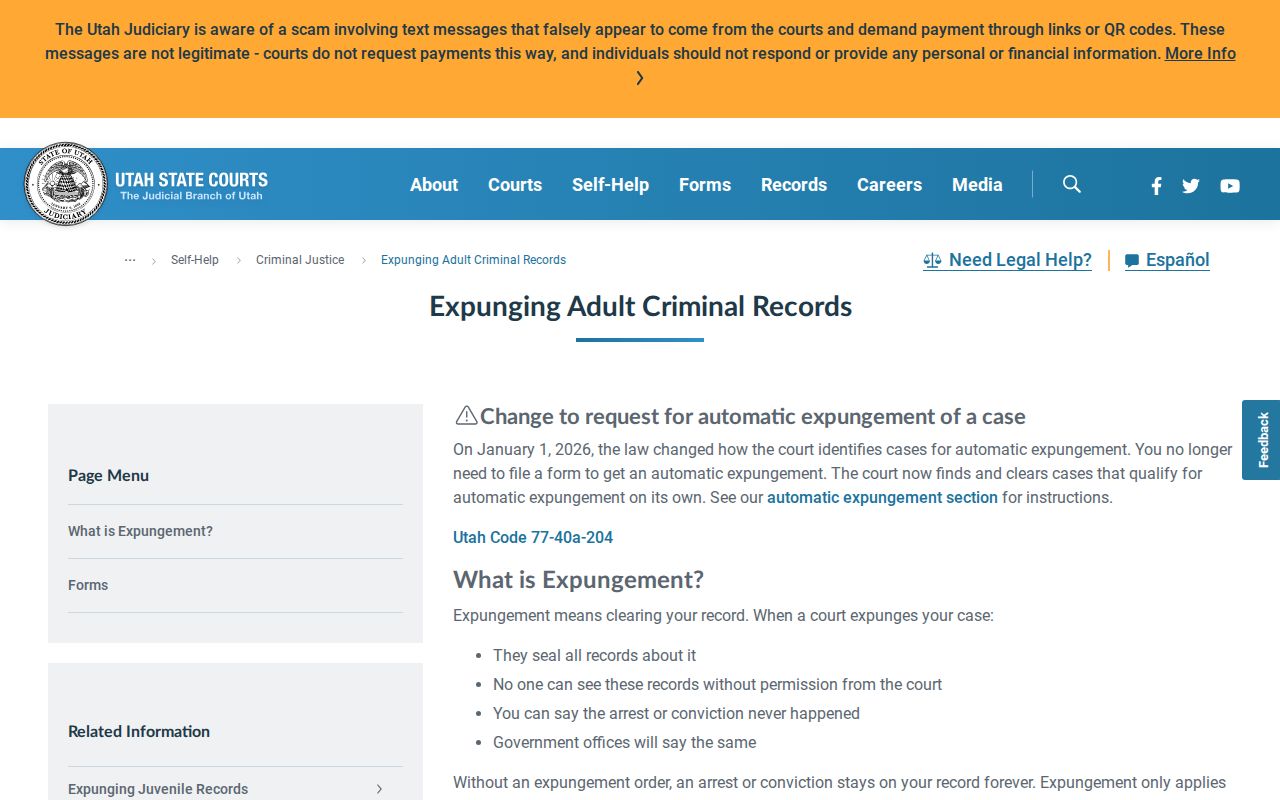
The form of relief matters. A person should not assume that a court case, BCI history, and registration duty all change through one request. Registry-removal questions require the specific statute and current official forms.
Utah Registration Levels and Requirements
Utah uses offense-based 10-year and lifetime registration. It does not publish a three-tier risk score. For a 10-year duty, the clock begins after the sentence terminates, not simply on the conviction date. Lifetime registration applies to offenses and circumstances listed in current law. Because amendments and exact offense language control, use the statute instead of assigning a familiar but inaccurate “Tier I” or “Tier III” label.
| Utah category | Duration | Public treatment |
|---|---|---|
| Enumerated 10-year registration | 10 years after sentence termination | Displayed when current law permits |
| Enumerated lifetime registration | Life | Offense-based, not a public risk tier |
| Specified juvenile-at-offense category | Maintained as law requires | Not published under §53-29-404 |
The Utah Expungement Act is a separate record-restriction law that may be relevant to qualifying cases.
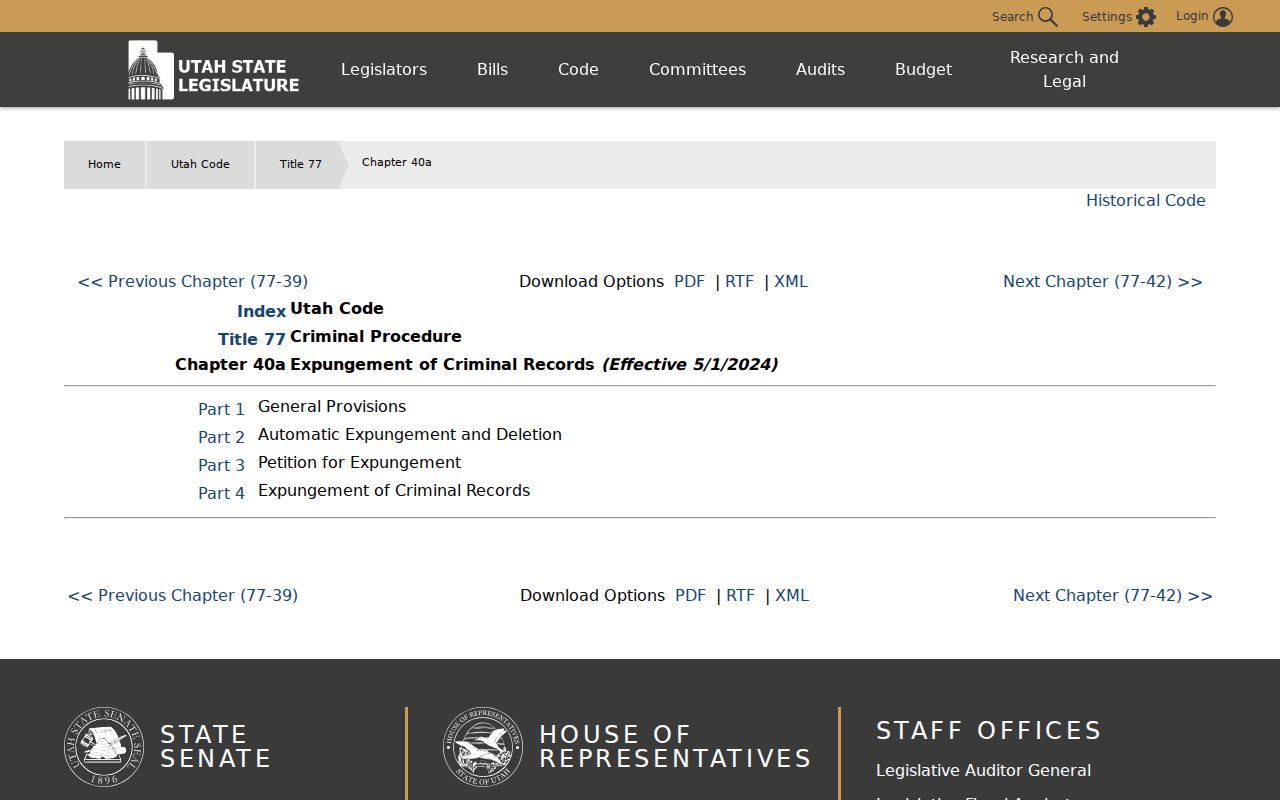
The statute image reinforces the need to distinguish criminal-case access, expungement, and registry duties. Relief in one record system should never be assumed to remove a duty in another.
Iron County NSOPW Registry Results
NSOPW is the federal search layer for participating state, territorial, and tribal registries. It helps when a person may have moved across a state line or when a local search needs broader context. It does not create a new profile. Results route back to the contributing jurisdiction, and the Utah record remains the source for Utah-specific status and registration details.
The official NSOPW search provides that cross-jurisdiction entry point.
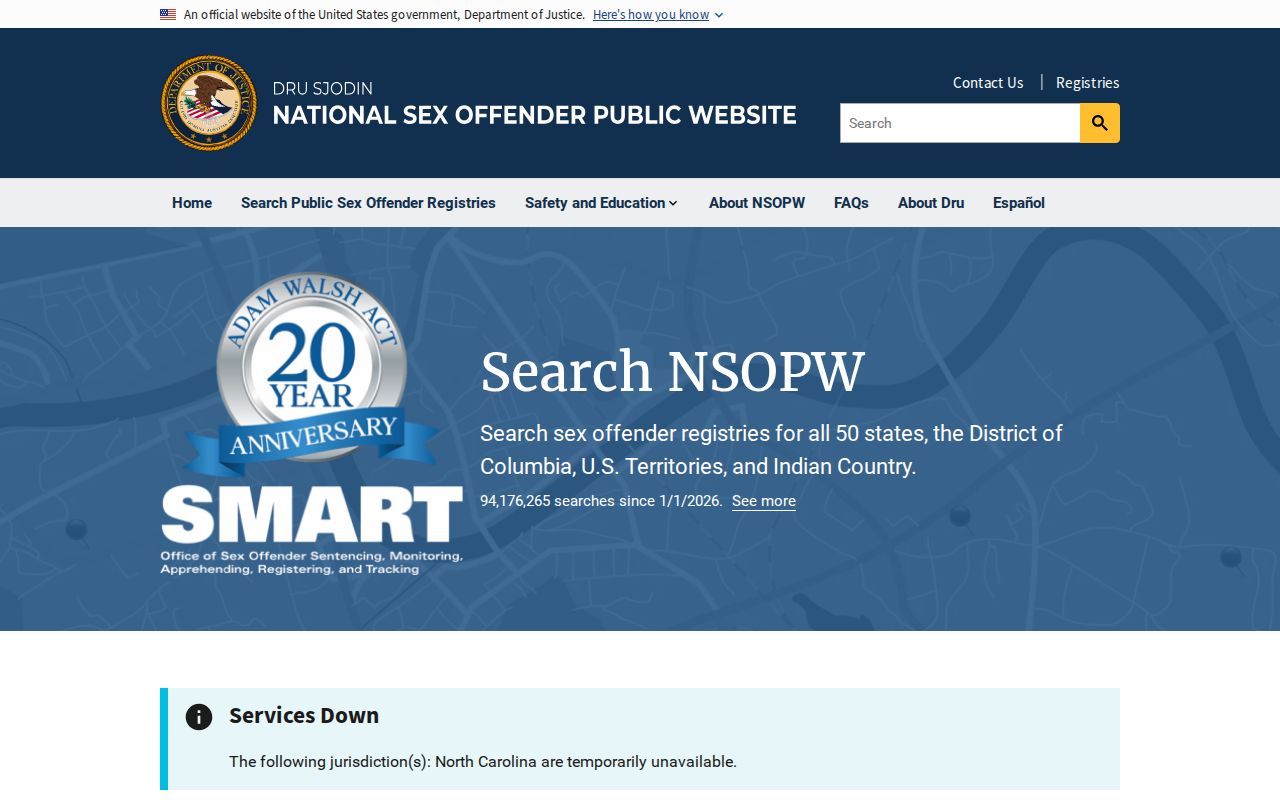
For an Iron County address, compare the national result with the Utah profile and then contact the proper local registration office about a discrepancy. Do not substitute a national result snippet for the full state record.
Note: NSOPW broadens geography, but Utah and Iron County officials remain the sources for a local profile's current facts.
Iron County Registry Protected Areas
Utah Code §53-29-306 defines protected places and conduct limits involving locations such as day care or preschool sites, certain swimming pools, and schools. It should not be reduced to a blanket countywide residence radius. The rule turns on the current statute, the type of protected place, the person's status, and the conduct at issue.
A map is a planning aid, not a legal boundary opinion. If a location raises a safety concern, use the profile and jurisdictional agency contact to report it. Law enforcement can check compliance against the actual duty. Residents should not investigate a home, approach a registrant, publish unverified claims, or infer unlawful conduct from a map point alone.
Community Notification and Lawful Use
Registry information supports public awareness and practical safety choices. Review a profile calmly, confirm the identity, and use official alert tools when available. Discuss age-appropriate safety rules with family members without turning a listed address into a target. Report a factual concern to the agency with jurisdiction, and give dispatch enough detail to locate the entry.
Utah's portal warns that information can be incomplete and that threats or harassment directed at a registrant or family may break the law. Registry data also must not be used to commit discrimination or another crime. An immediate threat belongs with 911. A nonurgent compliance concern belongs with the Iron County Sheriff or the proper city police agency.
Misuse is unlawful: Utah Code §77-41-110 forbids using published registry information to threaten, harass, or commit a crime against a registrant or household. Use records only for lawful public-safety awareness.